


(203) 902-4504
free consultation
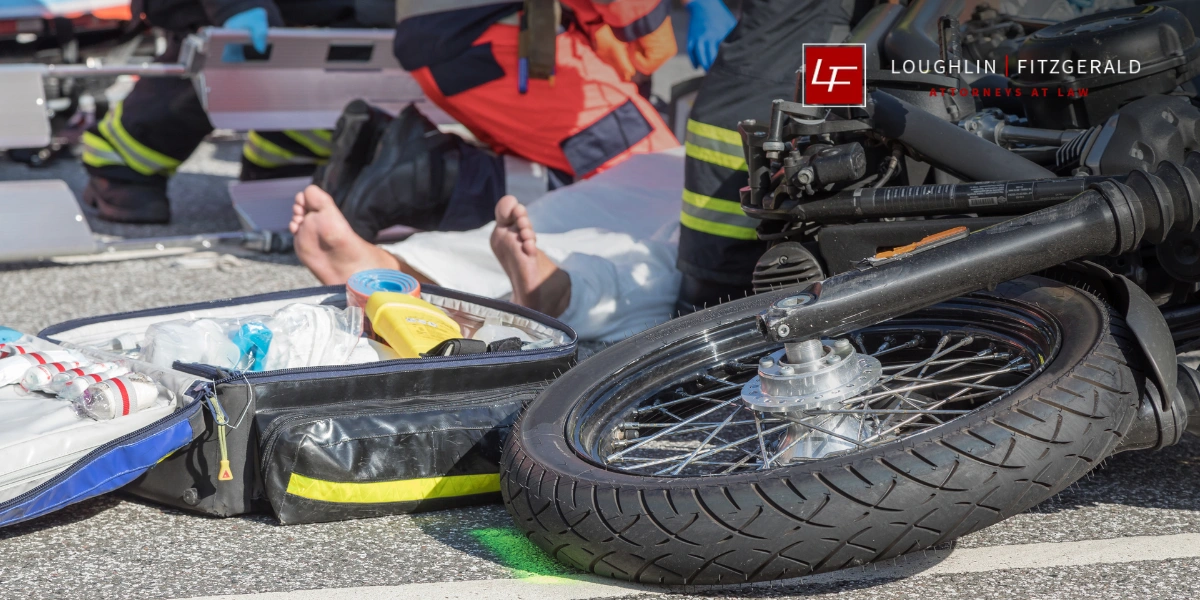
Yes – not wearing a helmet does not forfeit your right to recover damages for a traumatic brain injury in Connecticut. If someone else’s negligence caused your accident, they remain liable regardless of your helmet choice. The real question is whether not wearing a helmet reduces how much you can recover, and that depends on your specific injuries and the facts of the crash.
Loughlin FitzGerald P.C. represents motorcycle accident victims throughout Connecticut and can evaluate how helmet use factors into your specific claim.
Don’t let an insurer use your helmet choice against you without a fight. Contact Loughlin FitzGerald P.C. for a free consultation.
Connecticut’s helmet law changed effective October 1, 2025. Under Senate Bill 1377, signed by Governor Lamont on June 23, 2025, the requirement was raised from under 18 to under 21. CGS §14-289g now requires all motorcycle operators and passengers under 21 to wear protective headgear that meets federal standards. Riders with an instruction permit of any age must also wear a helmet.
If you are 21 or older with a full motorcycle license, you have no legal obligation to wear a helmet in Connecticut. Riding without one is not a traffic violation and cannot be used as evidence of wrongdoing in your personal injury claim. The question of fault for the crash remains entirely separate from your helmet choice.
Even though it is legal for adults 21 and older to ride without a helmet, insurance companies frequently argue that doing so contributed to the severity of a head injury. This doesn’t affect who caused the accident – it affects how much of your compensation may be reduced under Connecticut’s comparative negligence rules. The two issues are legally distinct and must be argued separately.
Yes. The at-fault driver remains liable for causing the collision and your injuries regardless of whether you wore protective equipment. Fault for the crash and fault for injury severity are separate questions under Connecticut law.
Your case centers on demonstrating that the other driver’s negligence – speeding, distracted driving, failure to yield, running a red light – caused the crash that led to your TBI. Your helmet use is not relevant to this question. Evidence of fault comes from the police report, witness statements, surveillance footage, and physical evidence from the scene.
Connecticut follows a modified comparative negligence system under CGS §52-572h. You can recover damages as long as your share of fault does not exceed 50%. If the court finds you 51% or more responsible, recovery is barred entirely. Your compensation is reduced proportionally by your assigned percentage of fault.
Defense attorneys and insurance adjusters routinely argue that not wearing a helmet contributed to the severity of your head injury, even when they cannot dispute who caused the accident. This is a comparative negligence argument directed at injury severity, not crash causation. The other driver may be 100% responsible for the collision itself while you are assigned partial fault for the degree of your head injuries.
Any fault reduction for not wearing a helmet applies only to injuries a helmet might have prevented or reduced – typically head and brain injuries specifically. It does not reduce compensation for broken bones, spinal injuries, internal damage, road rash, or other harm caused by the crash itself. An experienced attorney works to isolate which injuries are genuinely helmet-related and which belong entirely to the negligent driver.
Loughlin FitzGerald P.C. has represented Connecticut personal injury clients from its Wallingford office for more than 36 years, handling motorcycle accidents, catastrophic injuries, and TBI claims throughout the state. The firm’s attorneys bring defense-side experience that helps them anticipate and counter the comparative negligence arguments insurers use against unhelmeted riders. The team includes a Connecticut Super Lawyer (2020-2025) and a seven-time Connecticut Rising Star, and every case is reviewed collaboratively. Schedule a free consultation to discuss your claim.
Yes. The at-fault driver remains liable for causing the accident regardless of your helmet choice. Under Connecticut’s comparative negligence rules (CGS §52-572h), your compensation may be reduced if the court finds not wearing a helmet worsened your injuries – but the right to sue is not eliminated.
You have two years from the date of your motorcycle accident to file a personal injury lawsuit under Connecticut General Statutes §52-584. Missing this deadline permanently bars your right to seek compensation in court. Contact an attorney well before this deadline – evidence preservation and claim evaluation take time.
Insurers cannot deny your claim entirely based on helmet use – it is legal for adults 21 and older to ride without one in Connecticut, so it cannot constitute wrongdoing. However, they will argue it increased the severity of your head injuries to reduce the settlement amount. An experienced attorney challenges the extent of that reduction.
Only damages tied to injuries a helmet might have prevented – primarily head and brain injuries. Compensation for other injuries caused by the crash, such as broken limbs, spinal injuries, or internal trauma, is not reduced by helmet use. Separating these categories is one of the key tasks your attorney handles.
Not wearing a helmet doesn’t mean you’re out of options – it means the insurer has a specific argument to make, and you need someone ready to counter it.
Loughlin FitzGerald P.C. handles exactly these cases throughout Connecticut. Contact our firm today for a free consultation.
Connecticut Motorcycle Accident Resource: