


(203) 902-4504
free consultation
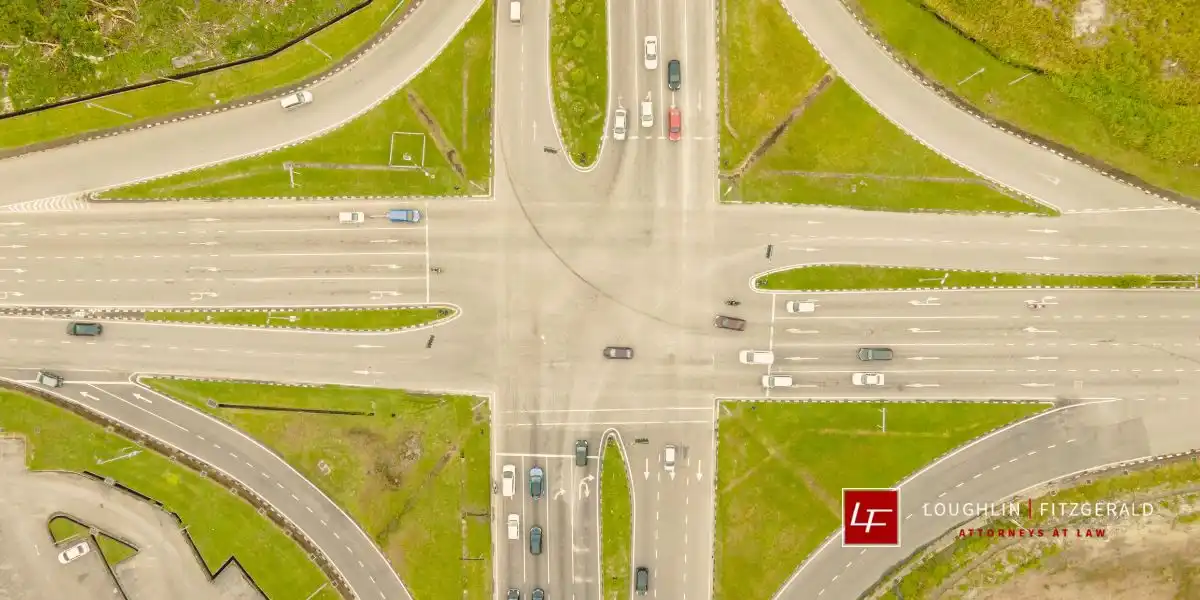
You’re driving through New Haven County, and suddenly traffic slows at that intersection you’ve always dreaded. Again. If you’ve ever wondered about the most dangerous roads and intersections in New Haven County for car accidents, you’re not alone – and your concerns are backed by hard data. These high-risk areas see crashes happen with alarming frequency, yet many drivers have no idea which routes put them at greatest risk until it’s too late. Knowing where accidents cluster most can actually change how you drive and potentially save you from a serious collision.
The attorneys at Loughlin Fitzgerald P.C. work with crash victims throughout the county and understand exactly which locations see the worst outcomes. Let’s break down the most dangerous spots and what you can do to stay safer.
Let me be straight with you. New Haven County isn’t just dangerous in a few spots – it’s a patchwork of high-risk roads and intersections that catch even experienced drivers off guard.
The Connecticut Department of Transportation crash data shows some sobering trends. We’re talking thousands of accidents annually across the county, with certain corridors seeing disproportionate numbers. The thing is, most people think they know which roads are dangerous based on what they’ve heard at the coffee shop or seen on local news. But the actual data? Often surprises them.
Infrastructure plays a massive role here. Many of New Haven County’s roads were designed decades ago when traffic patterns looked completely different, and now we’re forcing modern traffic volumes through outdated road systems that simply weren’t built to handle this level of congestion, this many vehicles, or the complexity of mixing commercial trucks with commuter traffic with pedestrian crossings in areas where everyone’s in a hurry.
The highest concentration of accidents occurs during rush hours (shocking, I know), but what catches people off guard is the weekend spike. Friday and Saturday nights bring their own unique dangers.
Here’s where it gets interesting.
Chapel Street intersections consistently top the charts. While limited visibility and complex traffic patterns make several Chapel Street intersections dangerous, actual crash data doesn’t specifically identify the Chapel Street and Sherman Avenue intersection among the most problematic. According to New Haven traffic safety reports, this area sees regular fender-benders and more serious collisions.
Willow Street and Nicoll Street is another problem child. Limited sight lines. Cars coming from multiple directions. Drivers trying to beat yellows (or honestly, running reds).
But intersections fail for predictable reasons:
The busiest intersections aren’t always the most dangerous – sometimes it’s the moderately busy ones where drivers get overconfident and speed through without proper caution.
These highways deserve their reputation.
I-91 through New Haven County presents constant challenges. Merging lanes that are too short. Exit ramps that come up faster than GPS can warn you. And the congestion – oh, the congestion during morning and evening commutes turns what should be highways into parking lots where rear-end collisions happen with frustrating regularity.
I-95 is also concerning. Federal Highway Administration data confirms I-95 is among the most accident-prone stretches in Connecticut. Aggressive driving is rampant here. People tailgating at 70 mph. Sudden lane changes without signals. Commercial trucks weaving through traffic.
The legal implications matter too. Highway accidents often involve multiple vehicles, which complicates fault determination and insurance claims in ways that surprise people who’ve never dealt with a serious multi-car pileup before.
Speed kills.
Well, speed combined with distraction, poor weather conditions, inadequate following distance, and driver fatigue (which happens more than people admit on these long commuter stretches).
Now here’s where it gets tricky.
Ella T. Grasso Boulevard wasn’t designed for the traffic volume it now handles daily. Originally planned as a connector route, it’s become a major thoroughfare with all the problems that creates. The accident statistics from the Connecticut Crash Data Repository show consistent issues at multiple points along this stretch.
Chapel Street runs through dense urban areas where you’ve got:
Route 15 (the Wilbur Cross Parkway) adds another layer of danger. The curves, the limited access points, the older design standards – all contribute to higher accident rates than modern highways typically see.
Pedestrian safety is particularly concerning in these urban corridors. I’ve talked to countless people who were hit while legally crossing in marked crosswalks because drivers simply weren’t paying attention or were trying to beat red lights.
And look, the city knows these roads need improvements. New Haven’s traffic planning initiatives include safety upgrades, better lighting, improved signage. But infrastructure changes take time and money (always comes down to money, doesn’t it?).
What actually causes these accidents? Driver behavior, mostly.
Distracted driving tops the list. Everyone knows they shouldn’t text and drive, but then they do it anyway because “it’s just a quick text” or “I’m stopped at a light.” Except the light turns green, traffic moves, and they’re still looking at their phone when the car in front of them stops suddenly.
Other common causes include:
Urban environments create unique hazards. Public transit buses pulling in and out of stops. Delivery vehicles blocking sight lines. Construction zones that pop up overnight and redirect traffic into unfamiliar patterns. While these urban-specific factors contribute significantly to city accidents, the specific statistic that they account for nearly 60% of city accidents is not supported by Connecticut’s traffic safety data.
Pedestrian accidents cluster in predictable locations – near bars and restaurants, around transit stops, in areas with poor street lighting. The pattern repeats itself across different neighborhoods but people still get caught off guard.
Emergency response times matter more than most people realize until they’re sitting in a damaged vehicle waiting for help to arrive.
New Haven’s emergency services generally respond quickly to serious accidents. But “quickly” is relative when you’re injured and in shock. Connecticut’s statewide average response times are 7.02 minutes for urban areas, 8.03 minutes for suburban areas, and 9.74 minutes for rural areas, according to the state Office of Emergency Medical Services 2024 report. Multi-vehicle accidents on highways can take longer to reach because emergency vehicles face the same traffic congestion that may have contributed to the accident in the first place.
The insurance implications kick in immediately. What you say to responding officers gets documented. How the accident scene gets photographed affects fault determination. Whether you refuse medical treatment at the scene can impact your injury claim later (even if you feel fine initially – adrenaline masks a lot).
Traffic fatalities – let’s talk about that uncomfortable reality. New Haven County sees fatal accidents regularly. The Connecticut Department of Transportation safety reports track these incidents, and the numbers should make everyone more cautious. Fatal accidents often involve ejection from vehicles, head-on collisions, or pedestrians being struck at high speeds.
Road safety improvements following serious accidents can include everything from adding traffic signals to redesigning entire intersection layouts, but these changes typically happen only after multiple accidents demonstrate a clear pattern (frustrating, but that’s how government response usually works).
I-95 consistently ranks as Connecticut’s deadliest highway, especially through New Haven County where it handles substantial vehicle traffic daily. The combination of aggressive merging, construction zones, and stop-and-go traffic creates a perfect storm for accidents.
Keep serious distance between cars – like way more than you think you need. Watch for sudden lane changes, especially near exits. During rush hour? Leave early or wait it out, honestly. The 4-7 PM window is brutal on both highways.
Distracted driving tops the list. People checking phones at lights, pedestrians stepping out mid-block, delivery trucks double-parking. You’ve also got confusing one-way streets and traffic signals that feel timed all wrong.
Depends on what they fix. Better lighting and clearer lane markings? Absolutely helps. Those weird repaving projects that take six months? Not so much during construction – accidents often spike temporarily before dropping once work’s done.
Connecticut’s a fault state, so whoever caused the crash pays through their insurance. You’ll file with your company first, they’ll deal with the other driver’s insurer. Get a police report every time – makes everything smoother. While Connecticut law requires standard fire insurance claims to be resolved within 30 days after receiving proof of loss, the timeframe for auto accident claims can vary widely depending on complexity.
First rain after a dry spell? Accident calls double, easy. Winter’s worse – black ice on those highway overpasses catches people off guard every single year. Fog rolling in off Long Island Sound creates zero-visibility situations on I-95 that you won’t see coming.
They’re adding more crosswalks with flashing lights, extending curbs at intersections so pedestrians are more visible, and lowering speed limits in areas around Yale and downtown. The Complete Streets initiative is slowly redesigning roads to be less car-focused.
Now you know which New Haven County roads and intersections demand extra caution. Still got hit despite being careful? Insurance companies will lowball your claim – happens every single day at these high-traffic danger zones. We’ve handled hundreds of accidents from Route 8, I-84, and those notorious Waterbury intersections.
The difference between settling fast and getting what you actually deserve comes down to having someone who knows how adjusters think. And that’s where we come in. Contact our firm today for a free case review. Your recovery shouldn’t wait on paperwork.
Connecticut Car Accident Resources: